Georgia, a small yet dynamic country nestled between Europe and Asia, has witnessed a remarkable transformation in its construction and property development sectors over the past decade. With a population of 3.7 million and a strategic location as a trade hub, Georgia has become a magnet for investors and developers, driven by its booming tourism sector—5.14 million international visitors in 2023, projected to reach 11 million by the end of 2025—and a business-friendly environment. Ranked 7th globally in the World Bank’s 2022 Doing Business Index, Georgia offers low taxes (9.9% total tax rate, 3rd globally) and minimal bureaucracy, making it an attractive destination for property development.
Information below explores the Georgian construction and development of a property market, breaking down the landscape by fields (residential, commercial, infrastructure), sectors (construction, development, regulatory), and types (urban, coastal, rural), while highlighting the role of local players like Degeorgio Group in shaping this evolving industry.
Residential development is a cornerstone of Georgia’s property market, driven by population growth, urbanization, and the influx of foreign residents. The sector caters to a diverse audience, including locals, expatriates, and tourists seeking second homes, with demand fueled by Georgia’s low cost of living and cultural appeal.
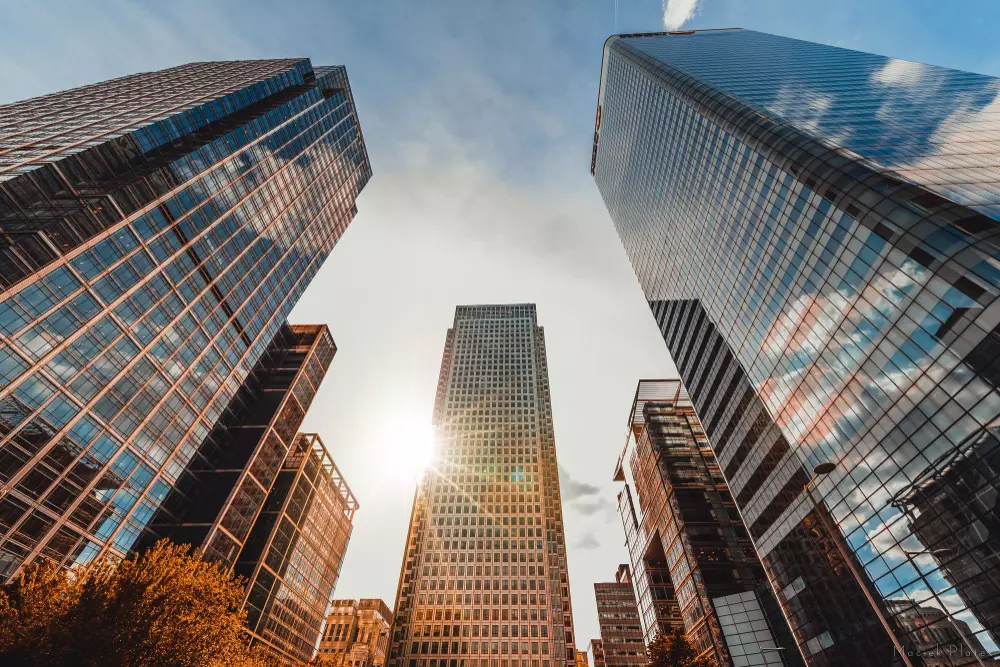
In Tbilisi, the capital, residential development has surged to meet the needs of a growing urban population. The city’s population has increased steadily, with many young professionals and families seeking modern housing in new districts like Saburtalo and Vake. Developers are building high-rise complexes with amenities like parking, security, and green spaces, with prices averaging $1100 per square meter. A one-bedroom apartment in these areas typically costs $80,000–$90,000, while historic properties in the Old Town start at $80,000, offering a blend of cultural authenticity and investment potential.
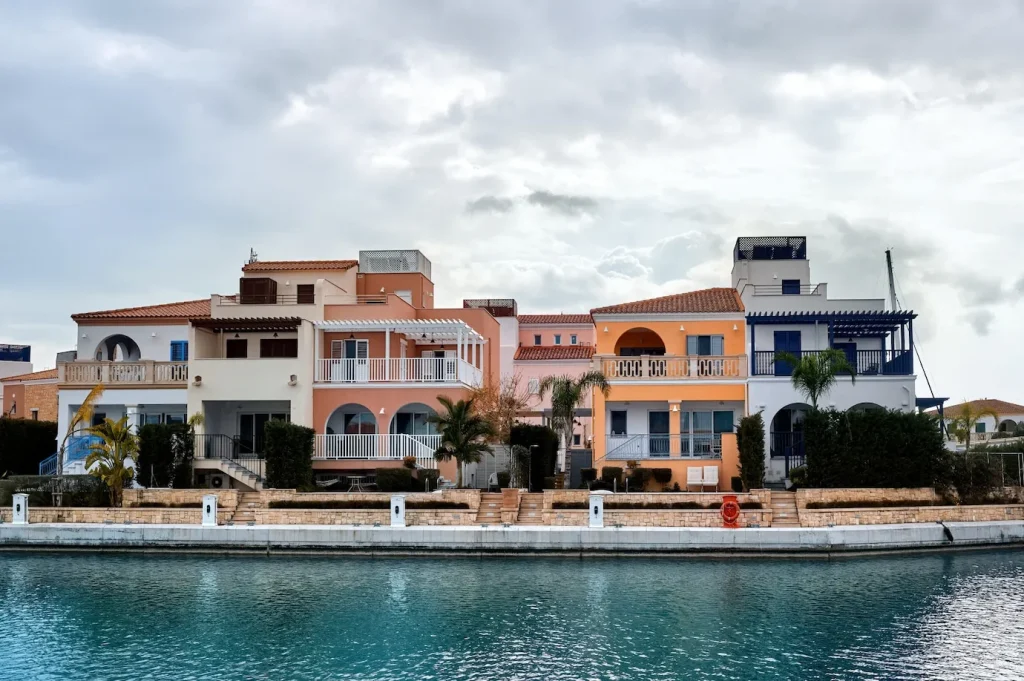
Batumi, the coastal capital of Adjara, is a hotspot for residential development, driven by its status as a Black Sea resort destination. Named an emerging destination at the 27th Global Travel Awards, Batumi’s skyline is dotted with mixed-use towers that combine apartments, hotels, and retail spaces. One-bedroom apartments with sea views start at $60,000, while luxury villas on the coast range from $150,000 to several million dollars. These properties are popular among tourists and investors, with short-term rental yields reaching 12–18% during the tourist season.
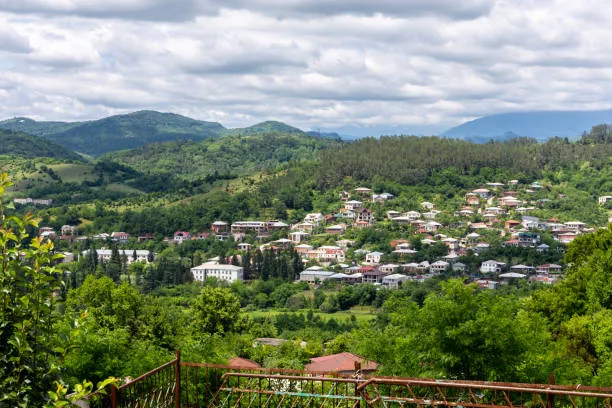
In rural areas like Kutaisi and Kakheti, residential development is more modest but growing. Kutaisi, Georgia’s second-largest city, offers affordable housing options, with studio apartments in modern complexes starting at $30,000 and an average price per square meter of $500. In Kakheti, the wine region, traditional homes with vineyards are being developed into modern residences, priced at $70,000–$150,000, appealing to retirees and those seeking a quieter lifestyle.
The residential development field faces challenges, including a shortage of mid-range housing options, as developers often focus on luxury properties to attract foreign buyers. In rural areas, aging infrastructure and limited access to modern amenities like reliable electricity and internet can deter development. Additionally, inconsistent construction quality and a lack of standardized practices can lead to delays and cost overruns, requiring developers to prioritize quality control.
Commercial development in Georgia is expanding rapidly, driven by the country’s economic growth and increasing demand for business spaces. With a projected GDP growth rate of 4.3% in 2023 and a thriving service sector, Georgia offers opportunities for commercial property development.
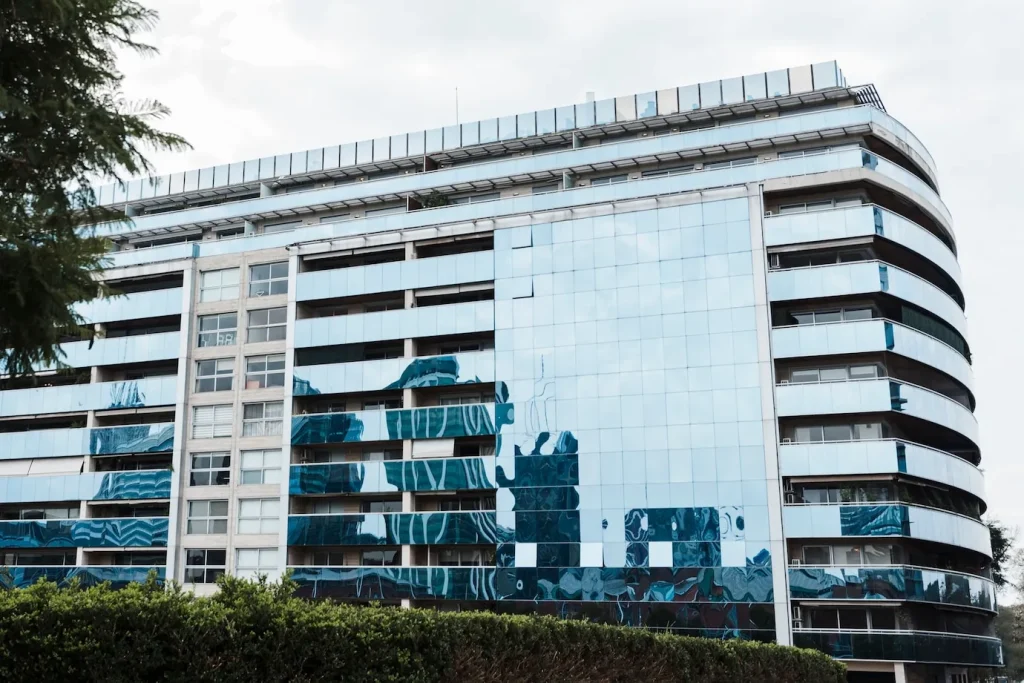
Tbilisi’s commercial development includes a growing number of office spaces, though the market has shifted since the COVID-19 pandemic. High-end office buildings in central districts like Vake and Mtatsminda remain in demand, with rental prices averaging $15–$20 per square meter per month. However, the rise of hybrid work models has increased demand for coworking spaces, prompting developers to adapt by creating flexible office environments.
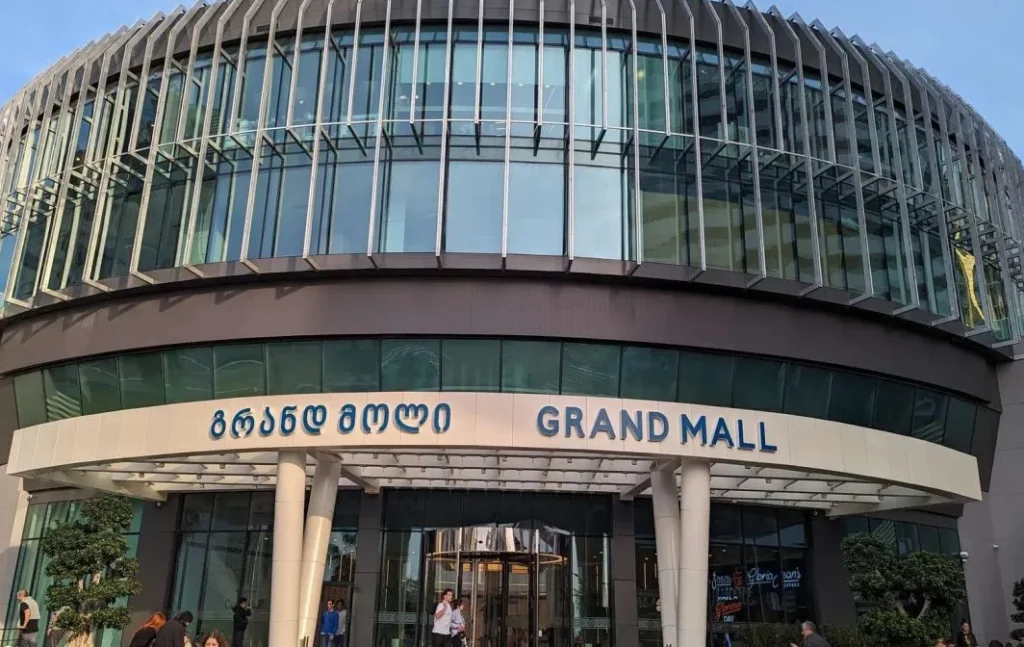
Batumi is a hub for retail and mixed-use development, with projects like Batumi Grand Mall and other towers under construction. These developments combine retail, dining, and residential spaces, catering to the city’s growing tourist population. In Zugdidi, a new $6 million shopping center is set to open, featuring 15,000 square meters of fashion retail, a hypermarket, and food outlets, reflecting a post-COVID recovery in the retail sector.
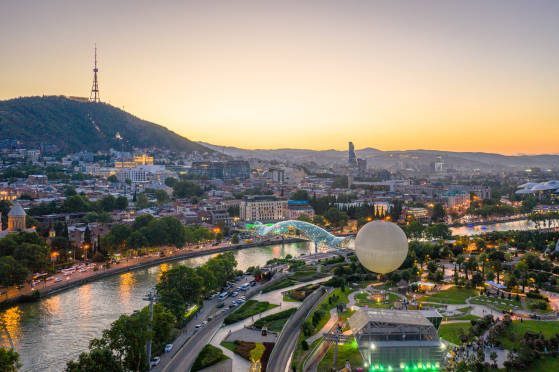
Commercial development benefits from Georgia’s low operating costs and strategic location, making it attractive for businesses expanding into the Caucasus region. However, the market’s reliance on the service industry, particularly tourism, poses risks. A potential economic downturn could impact retail and office demand, as seen during the pandemic when some brands exited the market. Developers must focus on diversified projects in stable areas like Tbilisi to mitigate these risks.
The East-West Highway Corridor, a World Bank-funded project, has reduced travel times and improved safety, making it easier for developers to access regions like Kakheti and Svaneti. The Kakheti Connectivity Improvement Project is another key initiative, enhancing road infrastructure in the wine region to support tourism and real estate development. These projects have opened up new areas for residential and commercial projects, though rural roads remain underdeveloped, posing challenges for developers.
In Tbilisi, urban infrastructure development includes upgrades to water, electricity, and sewage systems to support the city’s growing population. However, 40% of water pipelines are outdated, leading to significant losses and contamination risks, which can delay construction projects. The government is working to address these issues through public-private partnerships, but progress is slow, impacting the pace of development.
Infrastructure development is a critical field in Georgia’s property market, supporting both residential and commercial growth. The government has prioritized infrastructure to enhance connectivity and attract investment, with projects funded by international organizations like the World Bank.
Infrastructure development faces challenges related to funding and coordination. While international funding has supported major projects, smaller initiatives in rural areas often lack resources. Additionally, the lack of integrated urban planning can lead to inefficiencies, such as traffic congestion in Tbilisi, which affects the feasibility of new developments.
The construction sector in Georgia is the backbone of the property market, driving the physical creation of residential, commercial, and infrastructure projects. The sector has seen significant growth, fueled by demand from both local and international investors.
In Tbilisi, construction focuses on high-rise residential complexes and mixed-use developments, with developers incorporating modern amenities like energy-efficient designs and smart home technologies. In Batumi, the construction of mixed-use towers along the Black Sea coast is transforming the city’s skyline, with projects often including hotels, apartments, and retail spaces. In rural areas, construction is more modest, focusing on affordable housing and small-scale commercial projects like guesthouses.
Georgian construction often uses locally sourced materials like concrete and stone, which are cost-effective and durable. However, the sector is increasingly adopting sustainable practices, such as using eco-friendly materials and energy-efficient designs, to meet international standards. For example, some developers in Tbilisi are incorporating solar panels and rainwater harvesting systems into new projects, aligning with global trends toward sustainability.
The construction sector faces challenges related to quality control and labor shortages. Inconsistent building standards can lead to delays and safety issues, particularly in rapidly developing areas like Batumi. Additionally, the sector struggles with a shortage of skilled workers, as many young Georgians seek opportunities abroad. The government and private sector are investing in training programs, but the rapid pace of development outpaces the supply of qualified labor.
The development sector in Georgia is responsible for planning, financing, and executing property projects, working closely with the construction sector to bring visions to life. Developers play a crucial role in identifying market needs and creating properties that meet demand.
In Tbilisi, developers are focusing on modern residential complexes and mixed-use projects that cater to both locals and investors. These projects often target foreign buyers, offering amenities like guaranteed rental income and high-quality finishes. However, rapid development has led to concerns about urban sprawl, traffic congestion, and other lacks in public services, particularly in densely populated areas like Saburtalo.
Batumi’s development sector is dominated by large developers building mixed-use towers along the Black Sea coast. These projects are designed to capitalize on Batumi’s status as a tourist destination, offering sea views and modern amenities. Some developments, like those in the New Boulevard area, provide guaranteed profitability, making them a popular choice for investors seeking passive income.
In rural areas, development is more focused on affordable housing and tourism-related projects. In Kutaisi, developers are building small hotels and guesthouses to cater to tourists visiting historical sites like the Bagrati Cathedral. In Kakheti, development projects often involve transforming traditional homes into modern residences with vineyards, appealing to buyers seeking a unique lifestyle.
The development sector struggles with a lack of regulation, leading to inconsistent building standards. Rapid growth without proper planning can result in oversupply, as seen in some parts of Batumi, where new projects outpace demand. Environmental concerns, such as the impact of coastal development on Batumi’s ecosystem, also need addressing to ensure sustainable growth.
The regulatory sector in Georgia oversees construction and development activities, ensuring compliance with safety, environmental, and urban planning standards. While the government has made strides in creating a business-friendly environment, the regulatory framework for property development remains a work in progress.
Georgia’s construction and development regulations are managed by the Ministry of Economy and Sustainable Development, which issues permits and oversees compliance. The country has a relatively streamlined permitting process, with developers able to obtain construction permits in as little as 30 days, compared to 60–90 days in many Western countries. However, the lack of a comprehensive urban planning law can lead to haphazard development, particularly in Tbilisi, where rapid growth has outpaced infrastructure.
Environmental regulations in Georgia are evolving, with new laws requiring developers to conduct environmental impact assessments for large projects. Safety standards are also improving, though enforcement can be inconsistent, leading to concerns about construction quality in some areas. For example, some high-rise projects in Batumi have faced criticism for cutting corners on safety to meet tight deadlines.
A deficit of parking spaces creates a very negative impact on infrastructural issues. Additionally, the lack of a unified urban planning framework can lead to inefficiencies, such as overdevelopment in tourist areas like Batumi, which strains local resources.
Urban development in Georgia is centered in Tbilisi, the capital, which accounts for a significant portion of the country’s construction and property transactions. With its blend of historical charm and modern growth, Tbilisi is a focal point for both residential and commercial development.
Tbilisi’s residential development includes historic homes in the Old Town and modern apartments in new districts. A studio in the Old Town starts at $70,000, offering cultural authenticity, while one-bedroom apartments in Saburtalo average $70,000–$100,000, with prices at $1100 per square meter. Developers are focusing on high-rise complexes with modern amenities, though rapid growth has led to concerns about traffic congestion and infrastructure strain.
Tbilisi’s commercial development includes office spaces, retail outlets, and mixed-use projects. Coworking spaces are on the rise, reflecting post-COVID work trends, while retail spaces in central areas like Rustaveli Avenue remain in demand. Mixed-use developments, combining residential, retail, and office spaces, are gaining popularity, though the city lacks large-scale convention centers to host major events.
Coastal development in Batumi, the capital of Adjara, is a hotspot for construction, driven by the city’s status as a Black Sea resort destination. Named an emerging destination at the 27th Global Travel Awards, Batumi offers a subtropical climate and modern development, attracting tourists and investors.
Batumi’s residential development features high-rise towers with sea views, where one-bedroom apartments start at $60,000. Luxury villas on the coast range from $150,000 to several million dollars, appealing to buyers seeking a vacation home or rental property. Short-term rentals during the tourist season yield 6-15%, making Batumi a top choice for investors.
The commercial sector in Batumi is expanding with projects like Batumi Grand Mall, which combines retail, dining, and residential spaces. These developments cater to the city’s growing tourist population, offering opportunities for retail and hospitality businesses. However, the market’s reliance on tourism makes it vulnerable to fluctuations, as seen during the COVID-19 pandemic.
Rural development in Georgia, particularly in regions like Kutaisi, Svaneti, and Kakheti, offers affordable options for construction and property projects, focusing on housing and tourism-related developments.
In Kutaisi, Georgia’s second-largest city, residential development includes modern complexes with studio apartments starting at $40,000, with an average price per square meter of $600. These properties appeal to retirees and expatriates looking for affordable housing. In Kakheti, traditional homes with vineyards are being transformed into modern residences, priced at $75,000–$150,000, offering a unique lifestyle.
Commercial development in rural areas is less developed but growing, particularly in Kutaisi, where small hotels and guesthouses are being built for $200,000–$300,000. These properties cater to tourists visiting historical sites like the Bagrati Cathedral and Gelati Monastery, both UNESCO World Heritage Sites. The low cost of entry makes rural commercial development an attractive option for small-scale investors.
Rural development faces challenges related to infrastructure, with many regions lacking modern amenities like reliable electricity and internet. The distance from urban centers can also deter developers, though improvements in road connectivity, such as the Kakheti Connectivity Improvement Project, are helping to bridge this gap.
Degeorgio Group, founded in 2013 in Batumi, is a pioneer player in consultancy on Georgia’s construction and development market, offering services across multiple sectors. Through its Shelter Management arm, the company focuses on property and asset management, helping investors identify and develop high-yield properties, particularly in Batumi and Tbilisi. Degeorgio Solutions provides consultancy for businesses entering the Georgian market, offering strategic guidance on construction and development projects.
Degeorgio’s strength lies in its ability to address client challenges, such as navigating the issues of regulation in the construction sector and ensuring quality in new developments. For example, Shelter Management can oversee the development of a mixed-use tower project, ensuring compliance with safety standards, while Degeorgio Solutions can guide investors through the permitting process. To stay competitive, Degeorgio could expand its focus on sustainable development, incorporating eco-friendly practices to align with global trends.
Georgia’s construction and development market faces several challenges:
Regulation and Quality Control: The lack of standardized practices in construction and development can lead to inconsistent quality and safety issues, particularly in rapidly developing areas like Batumi.
Infrastructure Gaps: While urban areas are well-developed, rural regions lack adequate infrastructure, limiting their appeal for development projects.
Market Volatility: Overreliance on tourism in areas like Batumi exposes the market to fluctuations, as seen during the COVID-19 pandemic when visitor numbers dropped.
Looking ahead, Georgia’s construction and development market is poised for continued growth, driven by its strategic location, economic progress, and increasing foreign interest. The government’s focus on infrastructure development, such as the East-West Highway Corridor, will improve connectivity, while initiatives to promote sustainable tourism will support long-term stability. Companies like Degeorgio Group are well-positioned to lead this growth, offering innovative solutions to address market challenges.
Georgia’s construction and development of a property market is a dynamic blend of opportunity and challenge, offering diverse options across residential, commercial, and infrastructure fields. From the high-rise complexes of Tbilisi to the coastal towers of Batumi and the affordable rural projects of Kutaisi, the country caters to a wide range of developers and investors. Sectors like construction, development, and regulation are evolving to meet growing demand, though issues like quality control and infrastructure remain. As Georgia continues to grow as a regional hub, its construction and development market holds immense potential for those willing to navigate its unique landscape.
Founded in 2013 in the vibrant coastal city of Batumi, Degeorgio Group began as a passionate inbound tour operator, quickly establishing itself as a top-tier Destination Management Company in Georgia.